Blog
- Home
- Blog
- Oil Filters
- What Does a Suction Filter Do?

 By
/ March 12, 2025
Hydraulic systems are integral to various industries, from manufacturing to construction. But with great power comes great responsibility, and one major concern with these systems is maintaining clean hydraulic fluid to ensure optimal functionality. This is where Suction Filters play a critical role. But what exactly does a suction filter do, and why is it essential for your hydraulic pump?
This blog dives deep into suction filters, their function, benefits, and how they safeguard your hydraulic systems. If you’re an engineer, mechanic, or hydraulics professional, this guide will help you choose, maintain, and maximize the performance of your suction filters.
Hydraulic systems operate using incompressible fluids to transfer energy, typically in industrial machinery. These systems rely heavily on clean hydraulic fluid to perform efficiently. However, contamination of hydraulic fluid can compromise the system, leading to costly damages and downtime. This is where filtration systems, including suction filters, become indispensable.
Fluid contamination occurs when external particles, such as metal flakes, rust, or debris, enter the system. These particles can infiltrate during equipment installation or regular operations. Without proper filtration, contaminated fluid can damage pumps, valves, and other sensitive components.
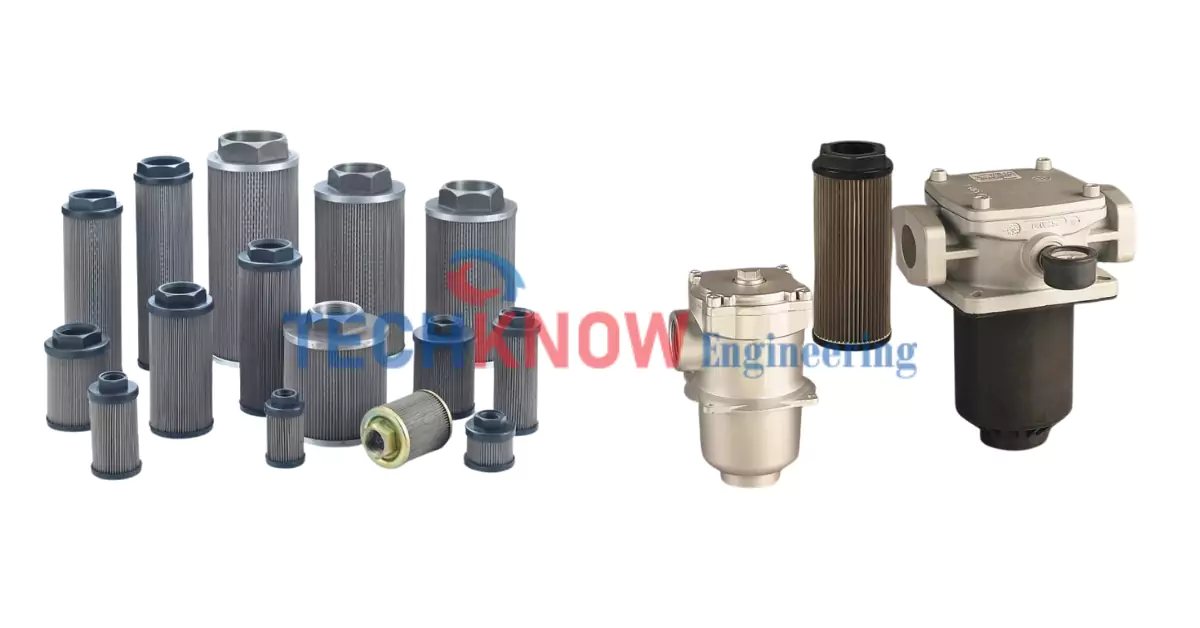
A suction filter is a protective filter installed directly into the suction line of a hydraulic pump, positioned below the minimum fluid level of the reservoir. It acts as the first line of defense, capturing large contaminants before they enter the hydraulic circuit. Suction filters are also commonly referred to as pump protection filters or safety filters.
Suction filters are designed to trap and remove large solid contaminants as the hydraulic fluid flows into the pump. These filters prevent particles from passing through and damaging the downstream components. To ensure uninterrupted flow, many suction filters are equipped with bypass valves that prevent high-pressure drops in case of clogging.
To function effectively, suction filters must be properly sized to meet the requirements of your hydraulic system. An improperly sized filter can lead to cavitation, causing damage to the pump by reducing fluid flow.
Different applications call for different types of suction filters. Here are the primary variants available:
1. Suction Strainers
2. Spin-On Suction Filters
3. Suction Filter Assemblies
Integrating a suction filter into your hydraulic system provides numerous operational advantages:
To ensure optimal performance, regular maintenance of suction filters is crucial. Here’s how you can maintain them:
Failing to maintain suction filters can result in reduced flow, pump cavitation, and eventual system failure.
Even with proper maintenance, suction filters can encounter issues. Here’s how to address some common problems:
Choosing the right suction filter involves considering the following factors:
Suction filters are more than just optional accessories in hydraulic systems; they are essential components that protect pumps, reduce contamination, and enhance efficiency. By understanding their function, choosing the appropriate type, and maintaining them regularly, you can optimize your hydraulic systems for longevity and reliability.
Whether you’re an engineer designing a hydraulic system or a mechanic responsible for its upkeep, the right suction filter is your first guard against contamination and system failure.
To explore premium suction filter options, consider our range of hydraulic suction filters, available in various configurations to suit your specific needs. Invest in reliability, and safeguard the heart of your hydraulic system today!