Blog
- Home
- Blog
- Hydraulic Pump
- How to Choose the Right Hydraulic Pump for Your Application?

 By
/ June 17, 2025
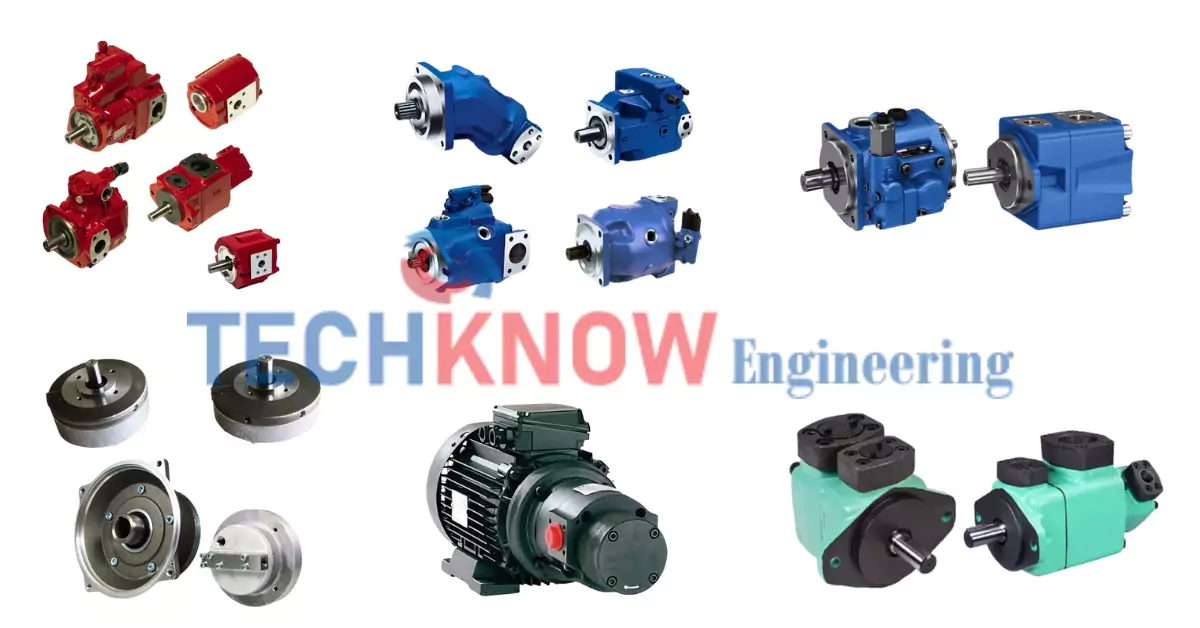
Hydraulic Pumps play a crucial role in powering various machines across industries, from construction and manufacturing to agriculture and aerospace. They convert mechanical energy into hydraulic energy, delivering fluid power to operate machinery efficiently. But with so many different types of hydraulic pumps available, choosing the right one for your application can feel overwhelming.
Techknow Engineering Enterprise will walk you through the essentials of hydraulic pump selection. From understanding the classification of hydraulic pumps to the key factors that influence your decision, we’ve got you covered.
Selecting the right hydraulic pump starts with knowing your options. Below, we’ll explore the primary types of hydraulic pumps and their unique characteristics.
1. Gear Pumps: Gear pumps are among the most common types of hydraulic pumps. Known for their simplicity and reliability, they are ideal for moderate pressure and consistent flow applications. Gear pumps are frequently used in industrial and mobile equipment and are generally cost-effective and easy to maintain.
2. Piston Hydraulic Pumps: Piston pumps, including Axial Piston Pumps and Variable Displacement Pumps, boast high efficiency and are suitable for demanding, high-pressure applications. These pumps allow greater control, making them ideal for applications where precision is crucial.
Examples:
3. Vane Pumps: Vane pumps are best for medium-pressure applications and stand out for their quiet operation. They’re commonly used in hydraulic systems where noise reduction is a priority, such as in machine tools or mobile equipment.
To select the ideal hydraulic pump, you need a clear understanding of your application’s requirements. Below, we highlight critical factors to consider during your decision-making process.
1. Flow Rate and Pressure
Determine the required flow rate (measured in gallons per minute) and operating pressure (measured in PSI). For instance, high-pressure systems may require piston hydraulic pumps for optimal performance, while lower-pressure applications can rely on gear pumps.
2. Type of Hydraulic Fluid
Using the right hydraulic fluid ensures the pump operates efficiently and lasts longer. Some pumps, such as Rexroth Hydraulic Pumps, are designed to work with specific fluids. Always consult the manufacturer’s guidelines for compatibility.
3. Efficiency
Energy efficiency is a top priority for many industries. Variable Displacement Pumps are particularly effective because they only deliver power when needed, minimizing energy waste and reducing operating costs.
4. Size and Design
The physical dimensions and design of the pump need to align with the space constraints of your system. Compact pumps like Axial Piston Pumps can deliver high performance without occupying too much room.
5. Budget Considerations
Your budget will influence the type and brand of the pump you select. While some options like gear pumps are affordable, investing in premium brands like Rexroth Pumps can offer long-term benefits in terms of reliability and efficiency.
Every application has unique requirements, which is why the selection process shouldn’t rely solely on generic factors. Here are some application-specific considerations to keep in mind.
Your hydraulic pump is only as good as its upkeep. Proper maintenance can extend its lifespan and ensure optimal performance.
Routine Maintenance Tasks
Common Issues and Troubleshooting
For professional repairs and replacements, contact Techknow Engineering Enterprise for solutions tailored to your needs.
Hydraulic pumps are the heartbeat of most modern machines, and choosing the right one is crucial for both performance and efficiency. Whether you’re looking for oil hydraulic pumps, Rexroth Pumps, or hydraulic pumps tailored for specific applications, the experts at Techknow Engineering Enterprise are here to help.
Contact our team today for personalized advice on selecting, maintaining, or troubleshooting your hydraulic pumps and motors.