
In the industries where machines or systems depend on dry, clean air, moisture could be an unintentional adversary. even small levels of watervapor may result in corrosion, rust or decrease the performance of the equipment. That’s where desiccant filtering can come in. They are the unnoticed icons of industrial maintenance do not just protect the equipment, but aid in improving overall efficiency. In this post we’ll look at how the desiccant filter function as well as their advantages and the best way to select which one is best suited to your requirements.
What Are Desiccant Filters?
The Basics of Desiccant Technology
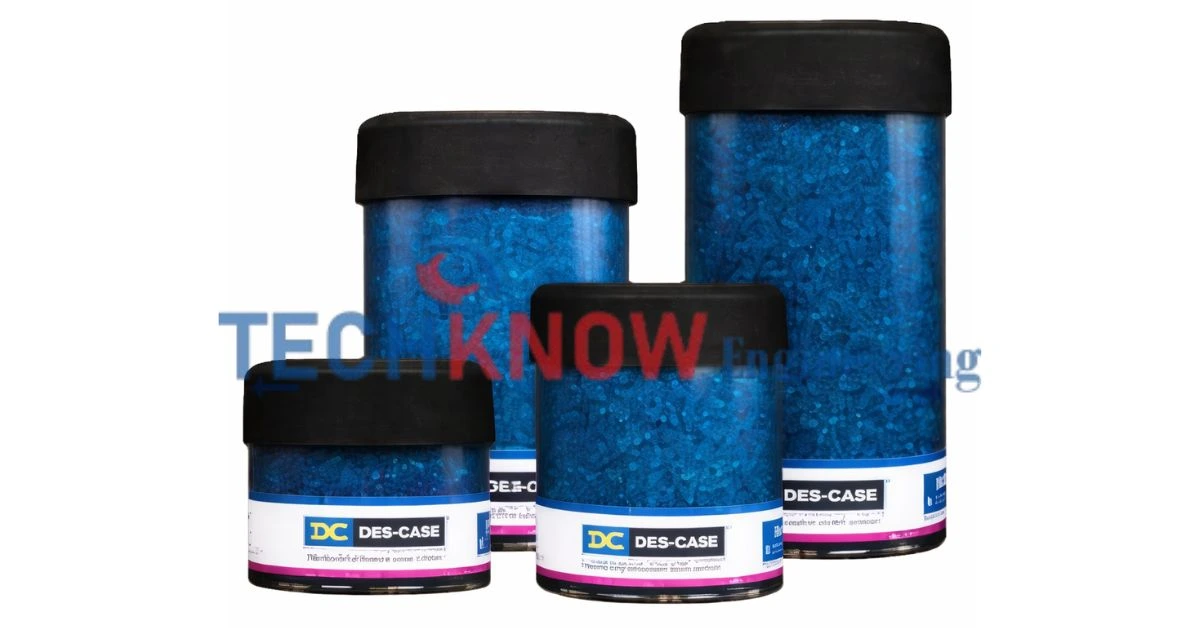
Desiccant filters are designed to extract the moisture in gases and air. They make use of desiccants, or materials that retain water in the form of vapor. The most common desiccants are silica gels, activated alumina molecular sieves, and activated alumina. These substances function like tiny sponges and trap water until it is able to enter the delicate equipment.
The process behind the desiccant filter is simple but effective. The air passes through a chamber that contains the desiccant. When it moves through the chamber through the chamber, the desiccant absorbs water molecules. This results in fresh, dry air that is suitable for use in compressed air systems, machinery equipment, as well as industrial processes.
Why Moisture Control Matters
The presence of moisture in industrial systems could create a tremendous number of damages. The presence of water in compressed air lines for instance may cause the rusting of pipes, blocking of valves and contaminating of goods. Particularly in highly sensitive areas such as manufacturing food products or pharmaceuticals the presence of even a small amount of moisture could compromise the performance.
by removing the moisture from its point of entry, desiccant filtering can avoid equipment failure, lower expenses for maintenance and assure the same quality of product. In essence, they function like a protective shield that keeps your equipment safe from the invisibly threatening water vapour.
How Desiccant Filters Protect Your Equipment
Preventing Damage and Wear
One of the primary advantages of desiccant filters is the ability they provide to stop water damage. Metal components are more susceptible to corrosion and rust, which could reduce their life span and raise repair expenses. Electronic systems too are susceptible to water damage, which could cause electrical shorts or even malfunctions.
Through the continuous removal of water from your gases or air that enter your system, desiccant filtering can drastically reduce the likelihood of developing these issues. The proactive approach to protection reduces time and money as well as avoiding costly repair costs, which makes these filters an indispensable component of any industrial set-up.
Extending Equipment Life
Clean, dry air isn’t just about stopping damages, but also extending the life of the equipment you use. Equipment that is operating in dry conditions performs better, has lower wear and less repairs. Industries like food manufacturing, processing and pharmaceuticals depend heavily on desiccant filtering to ensure that their machines are running at peak efficiency.
The simple purchase of desiccant filters will pay off in the end by reducing expenses for maintenance, less breakdowns and long-lasting equipment.
Increased Efficiency by Desiccant Filters
Energy and Performance Gains
Desiccant filters do more than protect equipment, they also increase efficiency. The presence of moisture in gas or air makes systems perform more than they should. Air compressors are one example. They require greater energy to move wet gas through the pipes. The removal of moisture decreases resistance to allow the system to run at its top performance, with less energy usage.
In order to improve airflow and reduce stress on the components, desiccant filters can help the system run more efficiently and ultimately save money on operating and energy expenses.
Maintaining Product Quality
In many fields the performance of final product is dependent on the control of moisture. Chemicals, powders as well as certain chemicals are extremely sensitive to the water content. A single exposure could cause defects or even contamination.
Desiccant filtering ensures that the gas or air utilized in the production process is dry stable, reliable, and secure. This improves product quality and minimizes the chance of rework or waste making both the customers and the production manager content.
Choosing the Right Desiccant Filter
The choice of the best desiccant filters is dependent on many aspects. Think about the kind of material, size and performance of the filter as well as the particular requirements for your machine or business. Certain filters are best suited for systems with high pressure, whereas other filters are ideal for low flow applications.
The maintenance requirements must also be considered. There are filters that require periodic renewal of the desiccant material and others are able to be rebuilt to last for a long time. Examining these aspects carefully will make sure you select one that provides the best protection and efficacy.
Maintenance Tips for Long-Lasting Filters
Desiccant filters of all kinds require regular maintenance in order to function properly. A regular inspection as well as timely replacement of the material used to make desiccant is essential. Be aware of signs such as decreased airflow, noticeable moisture within the system or discoloration in the desiccant.
For the vast majority of industrial installations an annual maintenance program is essential to ensure lasting effectiveness. Routine checks and regular maintenance can prevent expensive downtime as well as prolonging the life of the filter as well as the equipment it safeguards.
Key Takeaways
Desiccant filtering may not be a focus of attention, however, they play an important function in protecting equipment as well as increasing effectiveness. In removing water from gas and air and preventing damage, they increase the lifespan of equipment, reduce energy consumption, and ensure product performance.
Making the investment in the correct desiccant filter, and maintaining it properly, will provide significant advantages over time. For any business that relies on compressed air or machinery systems, desiccant filters are an easy but effective solution to guarantee smooth, efficient, and stress-free operations.
If you want to ensure your equipment stays protected and runs efficiently, Contact us to learn how the right desiccant filter can make a difference.