
Hydraulic systems are the power source for several of the most complex industries across the globe including steel rolling mills, thermal power plants, to ships and automobile production lines. They rely on pressured fluids to transfer forces, manage motion and propel heavy machines precisely. Yet, despite their durable designs, hydraulics are very dependent on temperatures. The risk of overheating is one of the most damaging challenges in the industry and is responsible for nearly 20% of mechanical equipment failures worldwide. of mechanical equipment failures worldwide.
What Causes Hydraulic System Overheating?
In a system that is heated up, it can be caused by any singular element. Most often the cause is usually a mixture of problems that build up in time, eventually pushing the system past its temperature capacity.
The most frequent and easily fixable reasons is a a clogged or degraded hydraulic fluid filter. Once the filter becomes overloaded with particles, oil flow in the circuit is restricted. The pump must overcome this restriction, consuming more energy and generating heat that the system cannot effectively dissipate. The initial issue of a obstruction to flow can quickly escalate to a major overheating issue when maintenance of the filter is not done.
Internal leakage is an additional cause. The worn seals on the control valves and hydraulic cylinders let pressurized oils to escape its original route inside the circuit. The bypass flows convert the energy of hydraulics directly into heat instead of useful mechanical work. In time, even tiny quantities of internal leakage can add up to form a continuous thermal source in the system. In addition, a damaged or inadequate hydraulic pump will draw greater power input than is needed for maintaining pressure within the system which generates excess heat within the process.
System design also plays an essential role. A smaller reservoir reduces the residence time of hot oil before recirculation, leaving little time for passive cooling. The wrong viscosity of oil (either too thin or thick to be used under the conditions of operationThis increases friction losses and leads to heat buildup. In continuous operation with a high workload without scheduled intervals of rest is another reason that stops the system from dispersing the heat that has been accumulated.
Effects of Overheating on Hydraulic Equipment
The harm that is caused by continuous excessive temperatures is a process that can be broad. The knowledge of the causes can help maintenance professionals understand the need to address overheated areas prior to it causing irreparable harm.
The failure of the seal is a short time. Many hydraulic seals are constructed to work within a specific temperature range. Exposure beyond the operating temperature range can cause elastomer materials to shrink, harden, and crack. Failures in seals can cause internal leaks, external bypassing as well as loss of system pressure which all increase the risk of overheating and increase wear on the surrounding parts. The cylinders, pumps and control valves are all subject to increased wear as oil sheds its film that lubricates it at high temperatures. This reduces their life span significantly, leading to costly replacements.
Warning Signs Your System Is Running Too Hot
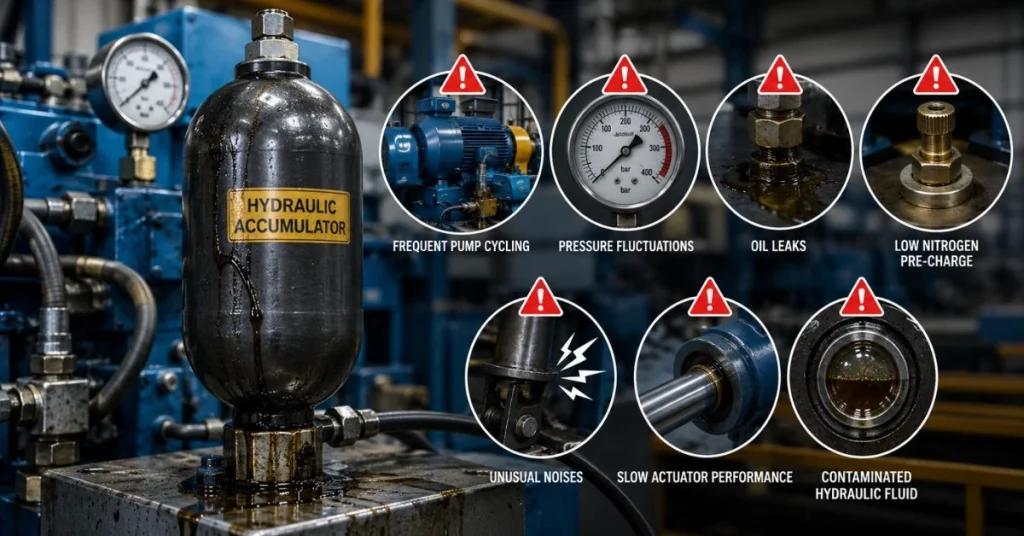
The early detection of overheating can stop the issue from developing into an emergency malfunction. Be aware of these warning indicators:
- Temperature of the oil consistently exceeds 60degC and 70degC throughout normal operations
- Slow or unresponsive responses from actuators and the cylinders
- Strange noises or vibrations from the hydraulic pump.
- Burnt or darkened color of oil, scent that indicates the degradation of thermal energy
- Infrequent seal failures, and frequent leaks of oil around rods or valve bodies
- There is a visible decrease in the system’s pressure, despite the pump operating at its maximum
How to Prevent and Solve Hydraulic Overheating
Overheating issues require a combination of the correct technology, the correct design of the system and a consistent, well-maintained routine.
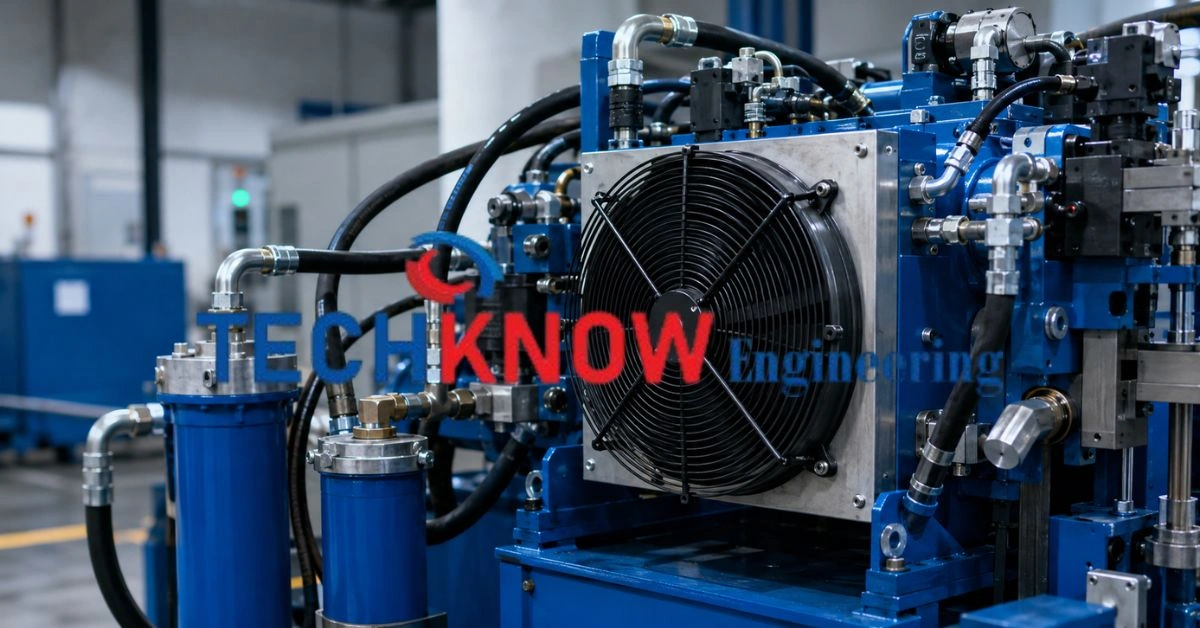
The installation of a correctly designed machine hydraulic oil cooling system is one of the most effective long-term solutions. The correct size of the cooling system — whether it’s an Oil-Air Cooler or Brazed Plate Heat Exchangerconstantly removes thermal energy that is generated in operation, and ensures that the temperature of fluid remains within the acceptable working temperature. The cooling device should be chosen based on the heat load that is actually being generated by the circuit, temperatures, the oil flow rates and operating time of the equipment. At Techknow Engineering Enterprise, we provide high-performance cooling equipment used by industries across India and abroad. Explore our range of oil cooling systems.
Knowing and maintaining the right kinds of hydraulic oil filters for every part of the circuit is essential. Filters for return line as well as pressure line filters suction filters and spin-on filter should be in keeping the oil clear and flowing unimpeded. An organized schedule for replacement of filters that is based on hours of operation and monitoring of contamination prevents limitation of flow that causes heat build-up. Clean oil is also able to retain its viscosity and lubrication characteristics much longer, which reduces heat produced by friction across the entire system.Check out our oil filters.
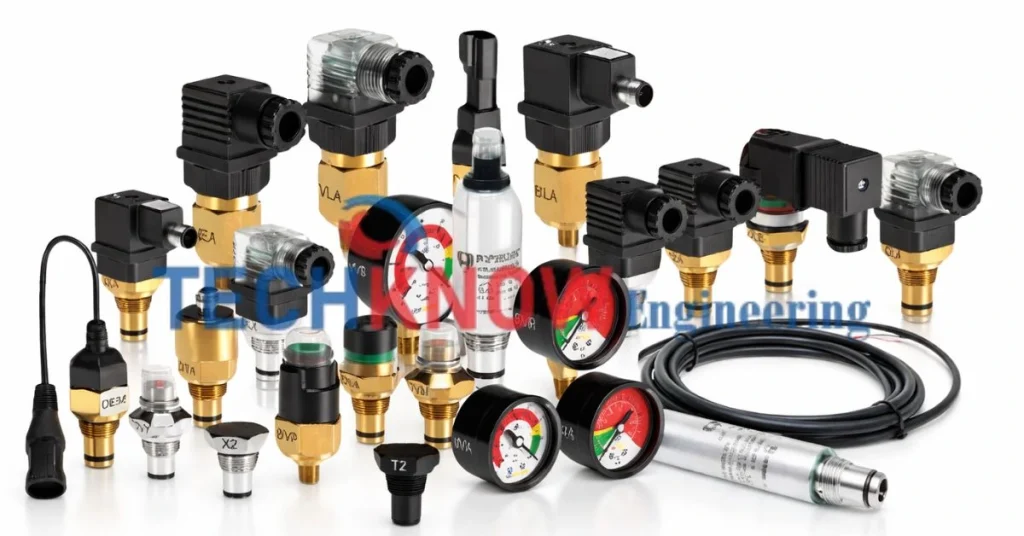
Beyond filtration and cooling The reservoir must be adequate in size, utilizing an appropriate grade of oil and the installation of electronic temperature sensors that monitor continuously are the most practical ways to drastically reduce the chance of overheating. Temperature sensors alert you whenever the fluid is nearing its limits providing maintenance staff with time to react prior to damage occurring.
Final Thought
Overheating of the hydraulic system is an extremely dangerous, but easily preventable issue that is easily prevented. Combining a dependable cooling system, clean filtration and regular maintenance results in a system that is efficient is longer lasting and experiences much fewer breakdowns that are not planned.
Techknow Engineering Enterprise has been helping industrial hydraulics operations in India since the year 2012 offering top cooling equipment as well as filters, and other components that are with expert technical assistance. If your hydraulic equipment is overheating, contact Techknow Engineering Enterprise today for an effective and cost-efficient solution.