
Hydraulic systems are favored for applications that require heavy duty since they generate incredibly powerful force using relatively small parts. In contrast to mechanical systems which rely on levers and gears hydraulics make use of pressured fluids to transfer energy in a speedy manner. It allows equipment like pressers, excavators, loaders and cranes to make smoothly, precisely controlled and robust movements, even in extremely heavy loads.
What Are Hydraulic Valves?
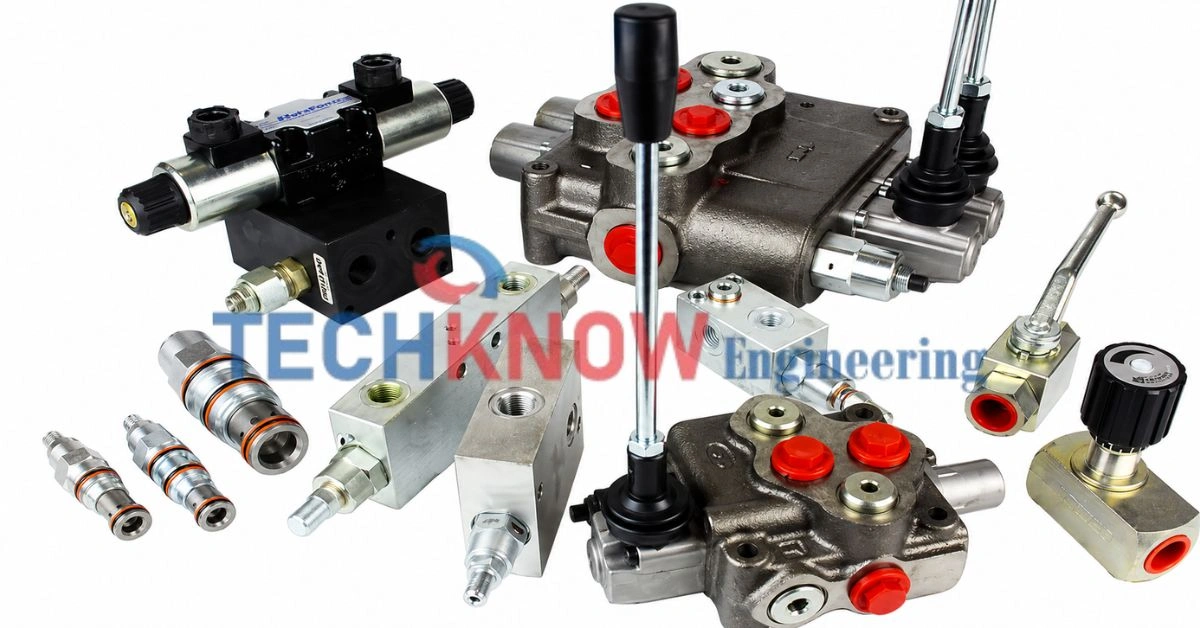
Hydraulic valves are essential components of every hydraulic system. They play a role in controlling the flow, direction as well as the pressure of hydraulic fluid inside the system.
Simply put, a hydraulic valve functions as the control gate. It determines where the fluid is to go as well as how much flow and what pressure is required to be maintained. If there were no valves for hydraulics it would be impossible for the system to maintain control and the machines could be unsafe to operate or fail.
They ensure that every move of a machine is exact as well as safe they are among the essential components in the industrial machine.
How Hydraulic Valves Work in Industrial Systems
The valves are controlled by the flow of a pressurized fluid through various channels within the hydraulic circuit. When an operator of a machine activates one of the controls that the valve is responding to, it responds through closing, opening or restricting the flow of fluid.
The fluid’s controlled motion directs into mechanical movement inside the machine. When it comes to lifting heavy loads and moving an arm or pressing the material the hydraulic valves make sure that every motion is exactly is required.
Flow, pressure, and direction control of hydraulic fluid
The industrial hydraulic valves are responsible for three important controlling functions:
They control flow and ensure an appropriate amount of fluid gets to the various components in the process. They regulate pressure, which helps prevent injuries caused by excessive forces that build up. They also manage direction and determine where the fluid flows in order to ensure the proper portion of the machine is in operation.
These functions together enable operators to enjoy an efficient and smooth machine operations even in the most demanding industries.
Key Functions of Hydraulic Valves in Industry
- Set the timing and duration of flow of hydraulic fluid in circuits
- Control pressure in order to safeguard machines from overloaded machines
- Direct fluid flow to components, actuators or parts
- Enhance machine reaction speed and improve operational precision
- Reducing energy losses by optimizing the distribution of fluids
- Improve safety by preventing abrupt or unsafe actions
Different Types of Hydraulic Valves Used in Industry
There are many kinds of valves hydraulic, all specifically designed for a particular function in the system.
Control valves for direction regulate the flow of fluid and control the direction of movement within machinery. Pressure control valves keep the safe operation of pressures and safeguard machines from overheating or injury. Control valves for flow regulate the rate of hydraulic valve actuators through controlling the amount of fluid.
Each kind of hydraulic system plays its own function, but together they make sure that the whole hydraulic system functions smoothly and securely.
Importance of Hydraulic Valves in Heavy Machinery
Hydraulic valves are crucial because they impact directly the efficiency, safety and performance of industrial machinery. Without them, machines will have no way of executing safely controlled processes.
They assist in maintaining stability throughout high load operation, making sure that equipment doesn’t shift abruptly or in a way that is unpredictable. They also enhance the efficiency of energy by optimizing utilization of the fluid and cutting down on excessive power loss. They also improve the safety of operations by preventing mechanical and pressure-related failures as well as overloads.
Assuring precision, safety and a high-quality machine
Hydraulic valves allow machines to operate at a high level of precision even in extreme environments. They permit seamless acceleration and deceleration of components of machines, which reduce wear and wear and tear. This increases the lifespan of machines as well as reduces maintenance costs as well as downtime during industrial processes.
Common Applications of Hydraulic Valves
Hydraulic valves can be found throughout a range of different industries. When it comes to construction equipment such as bulldozers and excavators they manage digging and lifting processes. In the manufacturing industry control mold machines, presses and assembly machines. They are also utilized in automation systems when precision motion control is essential to ensure efficiency in production.
They are a versatile and important component for nearly all industrial and heavy engineering applications.
Challenges and Maintenance of Hydraulic Valves
Although they are durable the hydraulic valves need regular maintenance in order to operate effectively. As time passes, the pollution of hydraulic fluids as well as wear and tear of internal components as well as leaks can impact their performance.
It is important to conduct regular checks for ensuring that valves function without issue. A clean hydraulic oil, correct sealing, as well as timely replacement of worn-out parts could dramatically extend the lifespan of the system. Inattention to maintenance could lead to failure, malfunctions as well as costly repairs.
Final Thought
Hydraulic valves play an important function in controlling machinery across different industries. They are the key decision makers within hydraulic systems, directing the flow, pressure and the direction of flow in a precise manner.
From equipment for construction to modern manufacturing equipment, these elements assure safe, secure, and effective operations. Without the hydraulic valves, today’s heavy equipment wouldn’t operate in the manner and dependability that businesses rely on in the present.
Contact us today to learn more about our hydraulic solutions and how we can support your industry needs.