


Hydraulic Products Distributor & Supplier in India — Authorised Hydac Distributor Since 2012
Techknow Engineering Enterprise is a trusted hydraulic products distributor and supplier in India, and an Authorised Hydac Distributor, offering advanced hydraulic engineering solutions. We specialize in hydraulic accumulators, pumps, valves, cylinders, filtration systems and oil cooling equipment, serving industries such as steel, power, marine, automotive and oil & gas.
- Authorised Hydac Distributor — genuine, certified hydraulic products
- Premium hydraulic products from globally reputed brands
- Expert hydraulic engineering solutions for industrial applications
- Pan India supply, sales support and after-sales service
As a leading Hydraulic Equipment Supplier in India, we focus on innovation, precision and customer satisfaction. Our expert team ensures high-performance hydraulic systems and dependable industrial solutions tailored to modern engineering needs.
What Makes Us Different?
We focus on delivering reliable hydraulic systems with strong technical expertise, quality products and long-term service support to keep industrial operations running smoothly.
Certified Expertise
Our engineers are trained specialists in hydraulic systems with over 12 years of hands-on field experience across multiple industries.
Wide Product Range
We supply a complete range of components including pumps, valves, cylinders, accumulators, filters and related industrial equipment.
Service & Repair Support
Our team provides maintenance, troubleshooting and repair support to ensure minimal downtime and maximum system efficiency.
Fast Pan India Response
Quick quotation turnaround and reliable Pan India delivery, backed by dedicated sales and technical support teams.
Hydraulic Products We Offer
Premium hydraulic components and systems from globally renowned manufacturers, delivered across India and exported worldwide.

Hydraulic Accumulators
Bladder, diaphragm & piston types for energy storage and pressure control.
Learn More →
Oil Filters & Filter Elements
Pressure, return, suction & spin-on filters for oil cleanliness.
Learn More →


Industries We Serve
Our hydraulic solutions power critical operations across a wide spectrum of industries in India and internationally.

STEEL INDUSTRY

THERMAL POWER

MARINE & SHIP INDUSTRY

WIND POWER

AUTOMOTIVE INDUSTRY

CEMENT INDUSTRY

OIL & GAS INDUSTRY

MOBILE MACHINES

Dedicated Team at Work
Backed by 12+ years of industry experience, our team delivers reliable hydraulic products and engineering solutions with a strong focus on quality and performance.
Delivering a Complete Range of High-Quality Hydraulic Products and Engineering Solutions Worldwide
SOURCING & SUPPLY SOLUTIONS
- Hydraulic accumulators store and stabilize pressure
- Oil filters remove contaminants from oil
- Oil filtration sensors monitor oil condition
- Hydraulic pumps generate fluid power output
- Hydraulic valves control flow and direction
- Hydraulic cylinders convert power into motion
- Oil cooling systems regulate temperature control
- Electronic sensors measure system performance data
- Ball valves control fluid flow operation
- Hydraulic accessories support system functionality
OUR SERVICES
Hydraulic Solutions for Industries
Looking for Hydraulic Products or Engineering Support?
Get expert guidance and competitive pricing from an Authorised Hydac Distributor. Quick response and reliable support assured, Pan India.
Trusted by Our Clients
Techknow Engineering Enterprise delivers reliable hydraulic solutions with strong technical expertise and consistent service support, helping clients improve operational efficiency.
Contact UsFrequently Asked Questions
Quick answers to the most common questions about our hydraulic products and services.
Hydraulic Engineering Insights
Expert articles and guides from our hydraulic engineering team.
How Often Should Accumulators Spares Be Replaced?
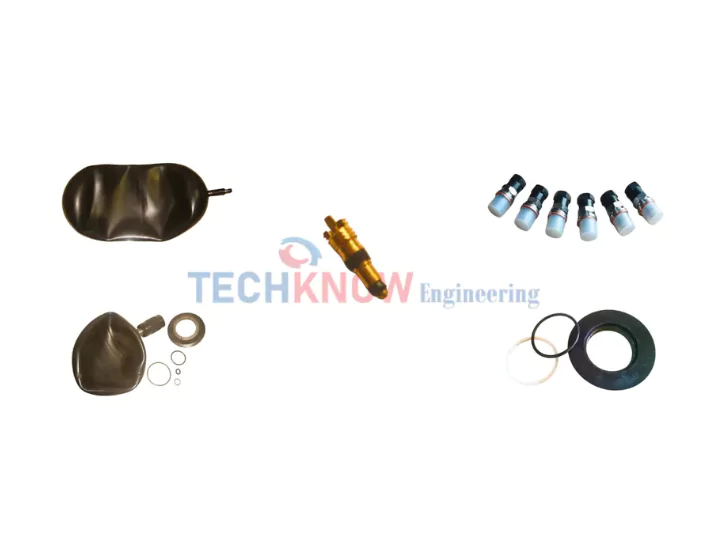
Learn how often accumulators spares should be replaced to prevent equipment failure. Stay ahead with proper maintenance and extend your system's lifespan.
Read MoreWhat Is a Filter Element?
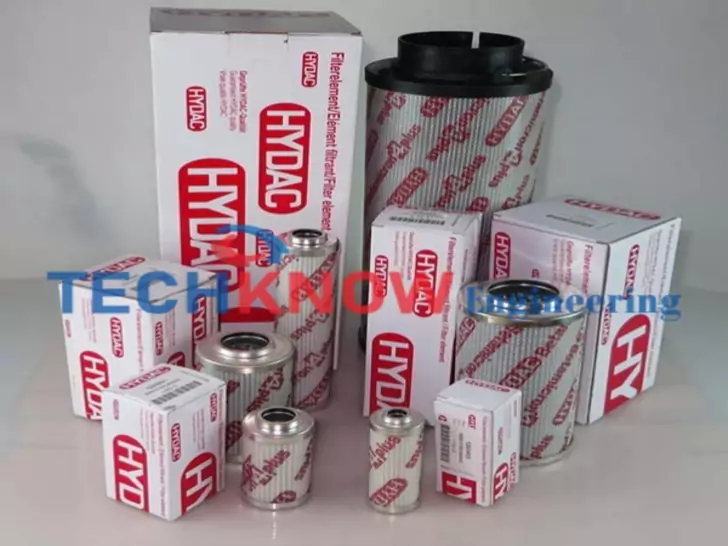
Learn about filter elements: their types, materials, industrial applications, and maintenance tips. Essential guide for optimal filtration performance.
Read More5 Signs Your Hydraulic Accumulator Needs Servicing
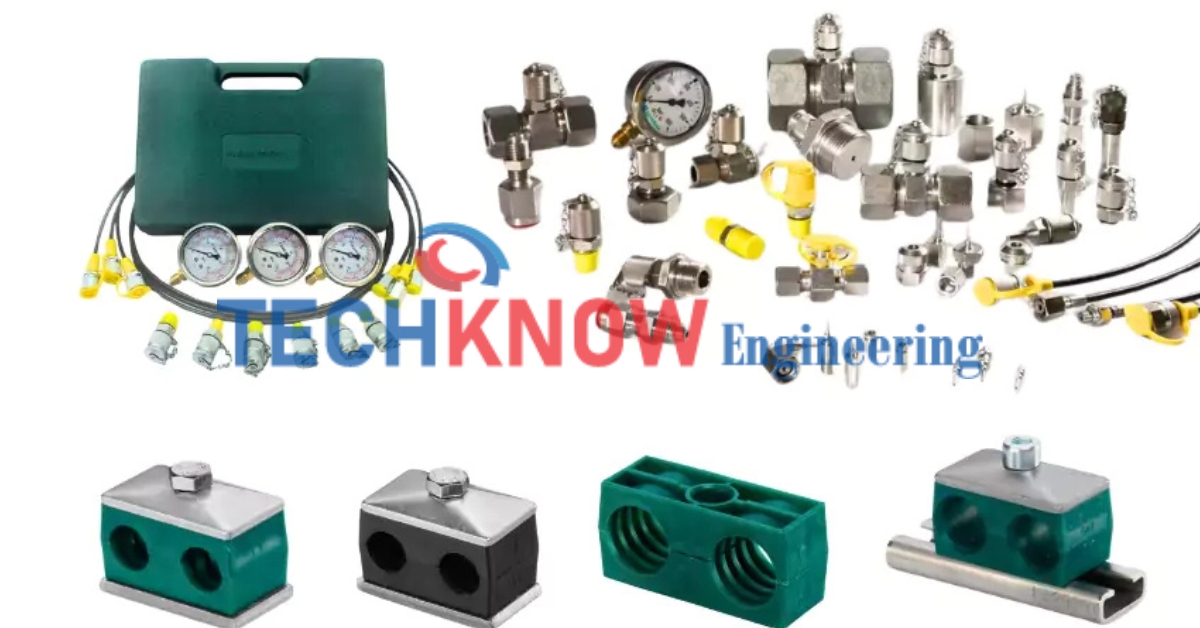
Learn about hydraulic accessories including pressure gauges, valves, filters & fittings. Discover their importance and maintenance tips for optimal performance.
Read MoreBrands We Work With


Loading map...