
Hydraulic systems are extensively utilized in industrial machines as well as manufacturing equipment, construction machines and even automated equipment. The systems rely on hydraulic fluids to transfer the power effectively. One of the major challenges for these system is the contamination of hydraulic fluid caused by metal particles, dust humidity, and other impurities.
That is why pressure line filter play an essential part. Pressure line filters are specifically designed to cleanse the hydraulic fluid prior to it reaching vulnerable components like actuators, valves and motors. In the absence of proper filtering, tiny contaminants could cause damage, lower efficiency, and expensive failures.
What Is a Pressure Line Filter?
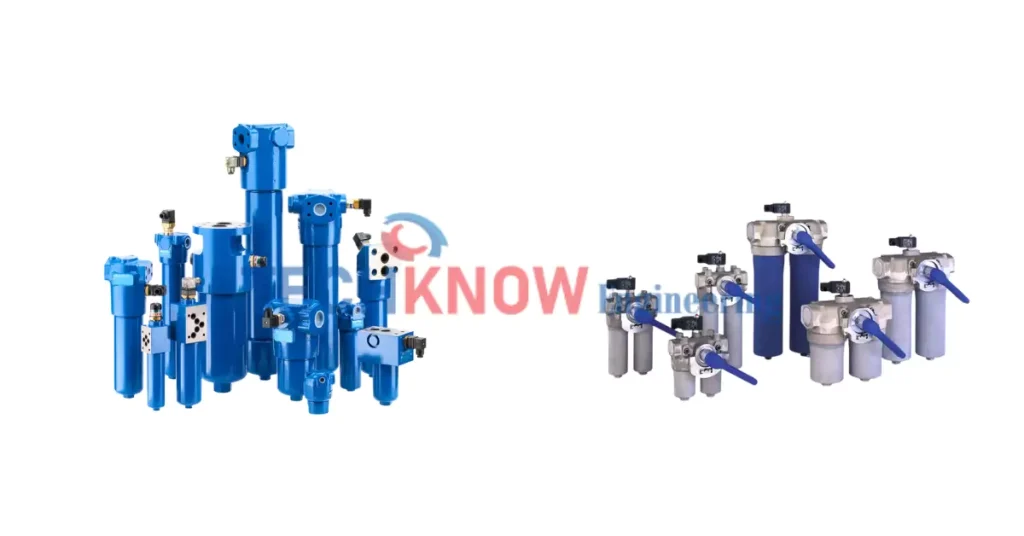
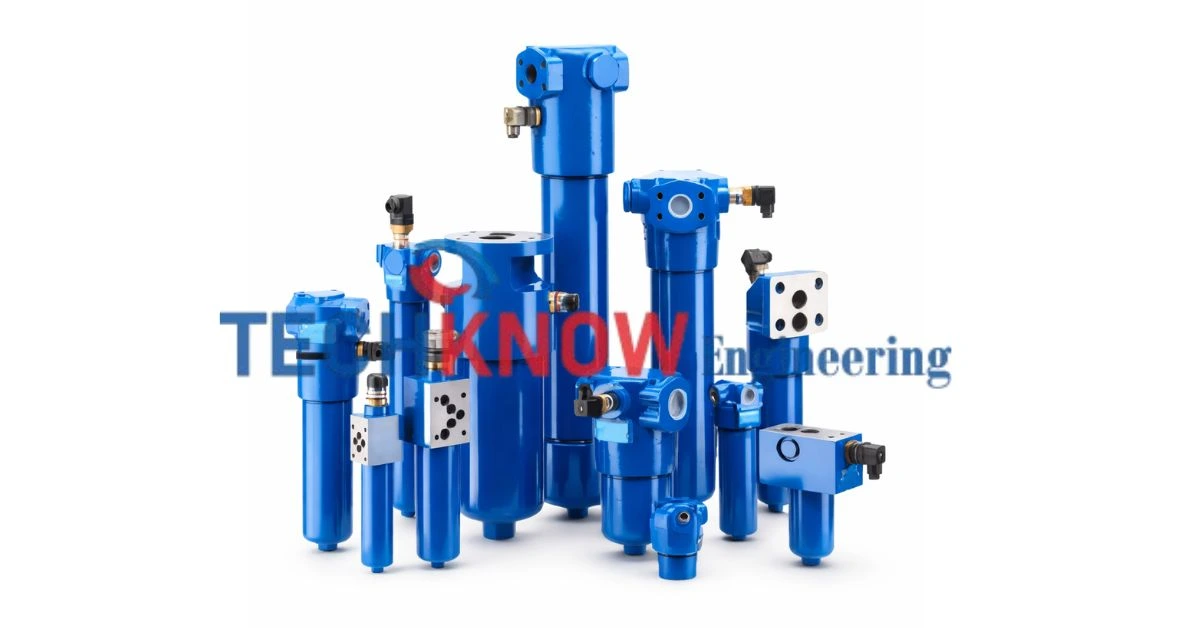
A pressure line filter an hydraulic filtration system that is placed within the pressure line of the hydraulic system. It is usually between the downstream component and the pump. The primary function of a pressure line filter is to safeguard crucial components from contamination in extreme pressure conditions.
Contrary to other filters line filters are made to stand up to high pressure, while also ensuring constant and efficient filtering.
Key difference from suction and return line filters
Suction filters are installed prior to the pump in order for protection of the pump as well as return line filters filter out water that returns into the reservoir. However, pressure line filters they operate at extreme pressure following the pump which makes them stronger and able to protect fragile parts.
How Pressure Line Filters Work
The operation of a filter for pressure lines is dependent on a straightforward and efficient process. Fluid from the hydraulic system enters the housing at a pressure. Within the housing, the fluid flows through an element of filtering made from special media designed to trap contaminants.
After impurities have been removed after which the cleansed fluid can continue it’s journey throughout the system, which ensures that the hydraulic system runs smoothly.
Filter media’s role and Micron ratings
The performance of the performance of a pressure line filter is in large part on the filter’s media and micron ratings. The filter’s media could comprise natural fibers, synthetic cellulose or even metal mesh, depending on the specific requirements for each application. Micron ratings define the amount of particles the filter is able to capture. The lower micron rating provides better filtering, which is crucial to ensure precision hydraulic systems.
Main Components of a Pressure Line Filter
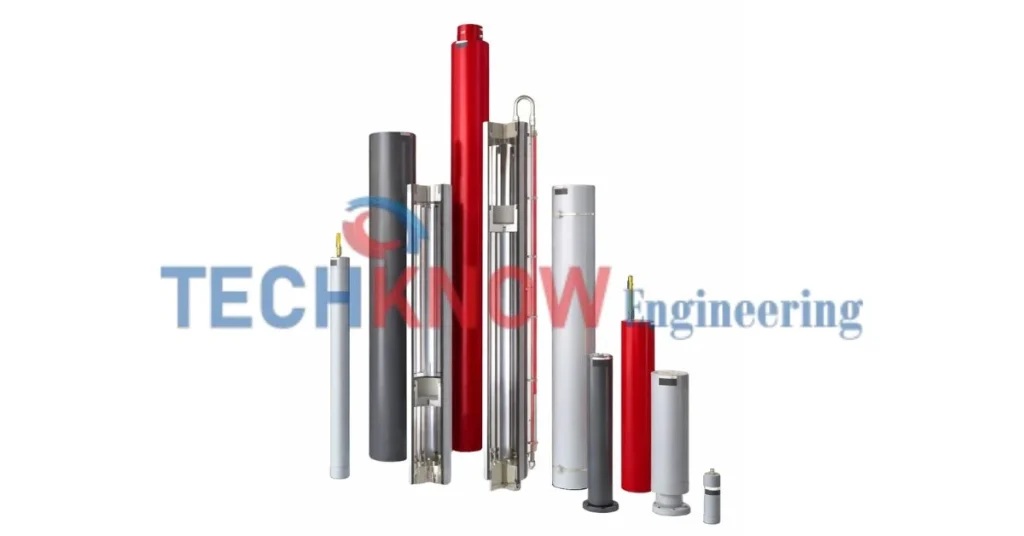
The pressure line filter is comprised of a number of important parts which work in tandem to provide efficient filtration. The filter housing the filter element, a bypass valve and the indicator for clogging.
Every component has a distinct part in the maintenance of system security and efficiency.
The role of bypass valves and Clogging indicator
The bypass valve is designed to ensure that the hydraulic fluid will continue to flow, even when the filter gets blocked which prevents system shut down. The indicator for clogging alerts users that the filter component requires repair or replacement. This helps prevent unexpected breakdowns.
Why Pressure Line Filters Matter in Industrial Systems
Filters for pressure lines are crucial to maintain the health for hydraulic equipment. They shield expensive parts like valves, pumps and actuators from the damage from the contamination.
Through ensuring a clean flow of fluid and ensuring that they are clean, they increase the overall effectiveness and reliability of systems and reduce operational expenses.
Effect on reliability of the system and performance
A properly maintained pressure line filter system can significantly decrease the wear and tear of components. This results in fewer breakdowns, better machine performance and a long-lasting equipment. For industrial settings it translates directly into increased productivity and less downtime.
Common Applications of Pressure Line Filters
Filters for pressure lines are utilized in a variety of industries where hydraulic systems play a vital role. They include machines for manufacturing, construction equipment auto systems, aerospace.
These are crucial for environments in which machinery works in extreme circumstances.
High-volume environments need more stringent standards for filtration
When it comes to heavy-duty machines like presses, excavators as well as industrial automation systems, there is a higher risk of contamination. This is why advanced pressure line filters that have more pressure ratings and a higher-quality filtration is used to protect the system and ensure longevity.
Maintenance and Replacement Best Practices
Maintenance on a regular basis is crucial to prolonging the life of filters for pressure lines. Operators must inspect their filters on a regular basis and then replace filters according to the manufacturer’s guidelines, and when indicators for clogging activate.
Neglecting maintenance can result in less efficiency of the system and could lead to system failure.
Prevention of maintenance increases the longevity of systems.
The preventive maintenance process helps to identify problems early, and helps prevent major failures. Regular replacement of filters assures the continuous safety of the hydraulic system and improves overall reliability.
Final Thought
Pressure line filters are crucial component of any hydraulic system providing clean flow of fluid as well as securing critical components from harm. Their importance in maintaining performance, minimising downtime and increasing the longevity of the equipment should not be ignored.
We at Techknow Engineering Enterprise We understand the significance for high-quality hydraulic filtering solutions. We are focused on providing effective and durable system of pressure line filters to meet the stringent requirements of the modern industry.
If you are looking for reliable hydraulic filtration solutions or need expert guidance for your application, contact us to get the right support and product recommendations for your needs.