
Hydraulic systems are the backbone of modern industrial operations. From steel plants and cement manufacturing units to marine vessels and mobile machinery, hydraulic power drives some of the most critical equipment across industries. When these systems run smoothly, production stays efficient and predictable. But when a hydraulic system fails unexpectedly, the consequences can be costly — unplanned downtime, expensive repairs, safety risks, and lost productivity.
The good news is that most cases of hydraulic system failure are preventable. Understanding the root causes and addressing them early can save industrial businesses significant time and money. At Techknow Engineering Enterprise, we’ve spent over 12 years helping manufacturing and industrial clients across India diagnose, repair, and prevent hydraulic system problems. In this article, we break down the ten most common causes of hydraulic system failure and share practical prevention tips.
Why Hydraulic System Reliability Matters
Hydraulic systems power essential functions in manufacturing, construction, marine, power generation, and heavy industrial applications. A single point of failure — a worn seal, contaminated fluid, or an overheating pump — can bring an entire production line to a halt.
Beyond the immediate repair cost, hydraulic system problems often lead to:
- Unplanned production downtime
- Increased maintenance and replacement costs
- Reduced equipment lifespan
- Safety hazards for operators
- Missed delivery timelines and business disruption
This is why understanding the causes of hydraulic system failure isn’t just a maintenance concern — it’s a business priority.
Top 10 Causes of Hydraulic System Failure and Prevention Tips
1. Contaminated Hydraulic Fluid
Contamination is widely recognized as the single leading cause of hydraulic system failure. Dirt, metal particles, water, and other foreign materials entering the fluid act like abrasives on pumps, valves, and cylinders.
Signs: Increased wear on components, sluggish operation, unusual noise, and cloudy or discolored fluid.
Prevention: Use high-quality filtration systems, follow strict fluid handling procedures, and schedule regular oil cleanliness testing to catch contamination before it causes damage.
2. Overheating of Hydraulic Systems
Excessive heat breaks down hydraulic oil, reduces its lubricating properties, and accelerates wear on seals and components.
Common causes: Undersized cooling systems, excessive system load, and restricted oil flow.
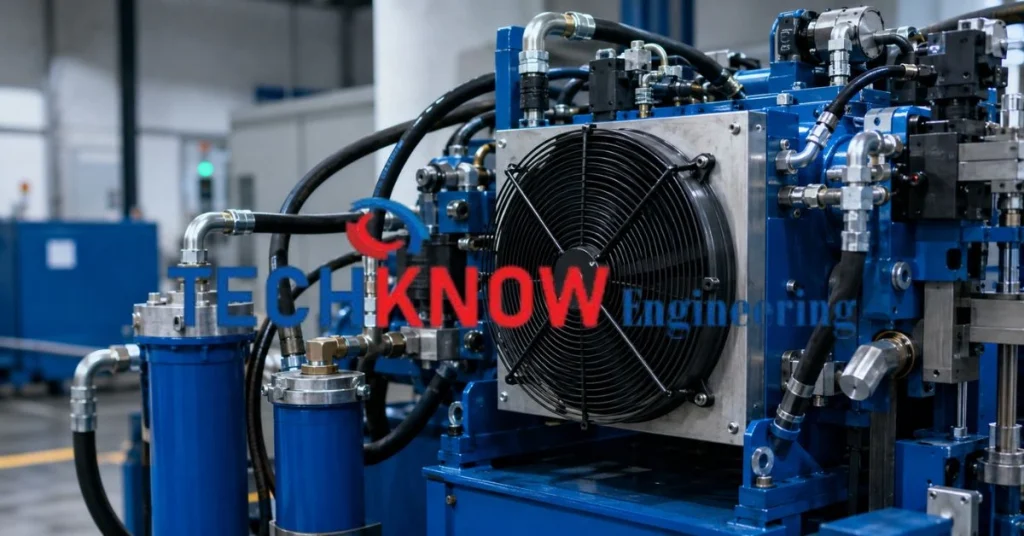
Prevention: Install properly sized oil cooling systems, monitor operating temperatures regularly, and avoid running equipment beyond its rated capacity.
3. Incorrect Fluid Selection
Using hydraulic oil with the wrong viscosity grade or specification for your system can cause inadequate lubrication, poor pressure response, and premature component wear.
Prevention: Always match hydraulic fluid to manufacturer specifications and operating conditions, and consult a hydraulic specialist when switching suppliers or fluid types.
4. Poor Maintenance Practices
Skipped inspections and inconsistent servicing schedules allow small issues to develop into major failures.
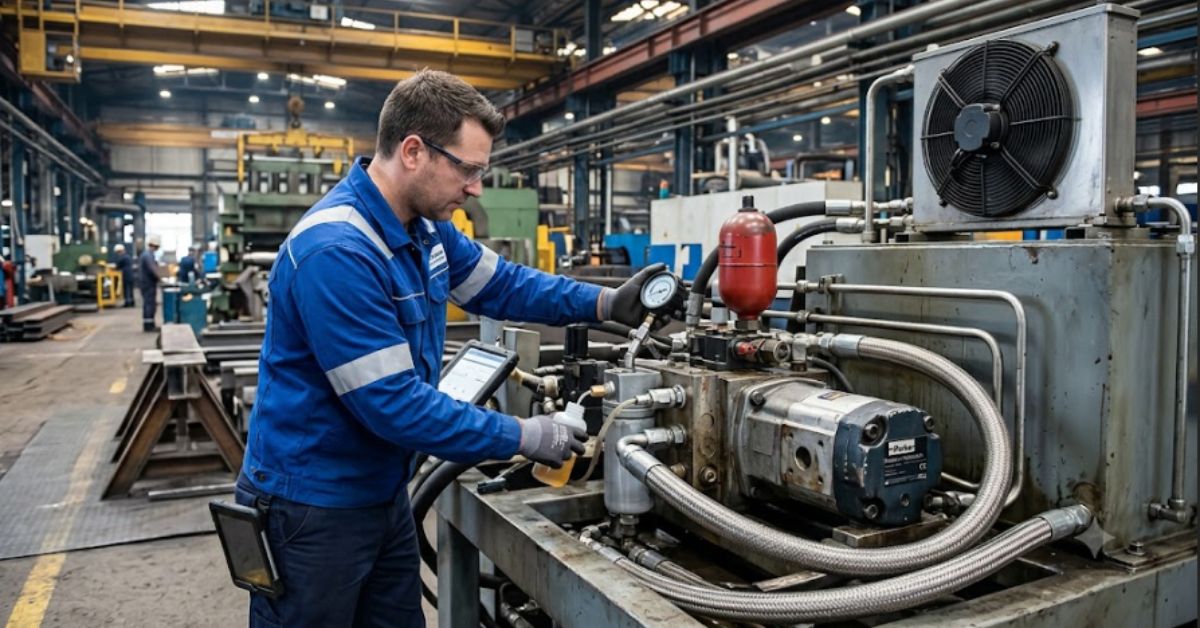
Prevention: Build a structured preventive maintenance checklist covering fluid analysis, filter changes, seal inspections, and pressure testing — and stick to it consistently.
5. Seal and Hose Failures
Seals and hoses degrade over time due to heat, pressure, chemical exposure, and age, leading to leaks and pressure loss.
Prevention: Inspect seals and hoses regularly for cracking, hardening, or leakage, and replace them proactively rather than waiting for failure.
6. Pump Cavitation
Cavitation occurs when air bubbles form in the hydraulic fluid due to insufficient supply at the pump inlet, then collapse violently, damaging internal pump components.
Symptoms: Loud, knocking noise from the pump, reduced performance, and premature pump wear.
Prevention: Ensure proper reservoir design, correct fluid viscosity, and adequately sized suction lines to maintain steady fluid flow to the pump.
7. Air Contamination in the System
Air entering the hydraulic system — through loose fittings, low fluid levels, or damaged seals — causes spongy operation, reduced efficiency, and component damage over time.
Prevention: Check fittings and connections for tightness, maintain proper fluid levels, and bleed air from the system after maintenance work.
8. Excessive System Pressure
Pressure spikes beyond a system’s rated capacity can damage seals, hoses, valves, and cylinders, sometimes catastrophically.
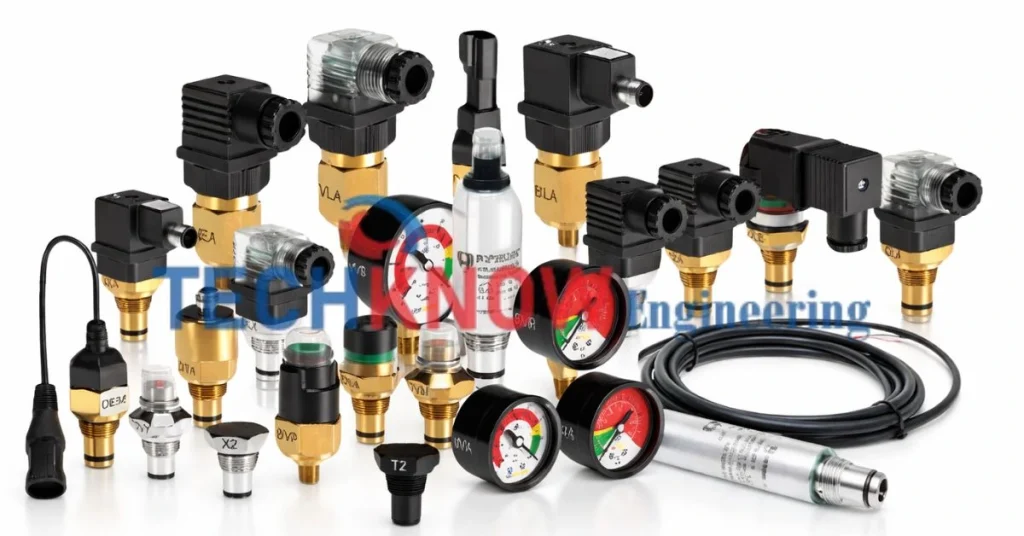
Prevention: Install and regularly test pressure relief valves, avoid overloading equipment, and monitor system pressure with reliable gauges and sensors.
9. Improper Installation and System Design
Incorrect component sizing, poor plumbing layout, or rushed installation work often leads to chronic performance issues and premature failures.
Prevention: Work with experienced hydraulic engineers for system design and installation, and avoid shortcuts during setup.
10. Aging Components and Wear
Every hydraulic component has a service life. Pumps, cylinders, valves, and accumulators naturally wear down with use and eventually require replacement.
Prevention: Track component age and usage hours, watch for performance decline, and replace aging parts proactively as part of a planned maintenance strategy rather than waiting for breakdowns.
Best Practices for Preventing Hydraulic System Failure
- Create and follow a documented preventive maintenance schedule
- Use high-quality, genuine hydraulic components and fluids
- Monitor fluid condition through regular oil analysis
- Train operators and maintenance staff on proper system handling
- Conduct periodic inspections, pressure tests, and cleanliness checks
Why Choose Techknow Engineering Enterprise for Hydraulic Solutions?
With over 12 years of hands-on experience and 600+ satisfied customers across India and 10 countries, Techknow Engineering Enterprise is a trusted name in hydraulic products and engineering solutions. Our team brings deep technical expertise across accumulators, pumps, valves, cylinders, filtration systems, and oil cooling equipment — backed by dedicated repair and servicing support.
We help industrial clients across steel, power, marine, automotive, cement, and oil & gas sectors reduce downtime through customized maintenance solutions, quality components sourced from globally reputed manufacturers, and a technical team that understands the real-world demands of industrial hydraulic systems.
Final Thought
Hydraulic system failures rarely happen without warning signs. From contaminated fluid and overheating to cavitation and aging components, most causes of hydraulic system failure can be identified and prevented with the right maintenance approach. Proactive care doesn’t just prevent breakdowns — it saves your business time, money, and production capacity in the long run.
Looking to improve the performance and reliability of your hydraulic systems? Contact Us for expert hydraulic solutions, maintenance services, and customized engineering support.