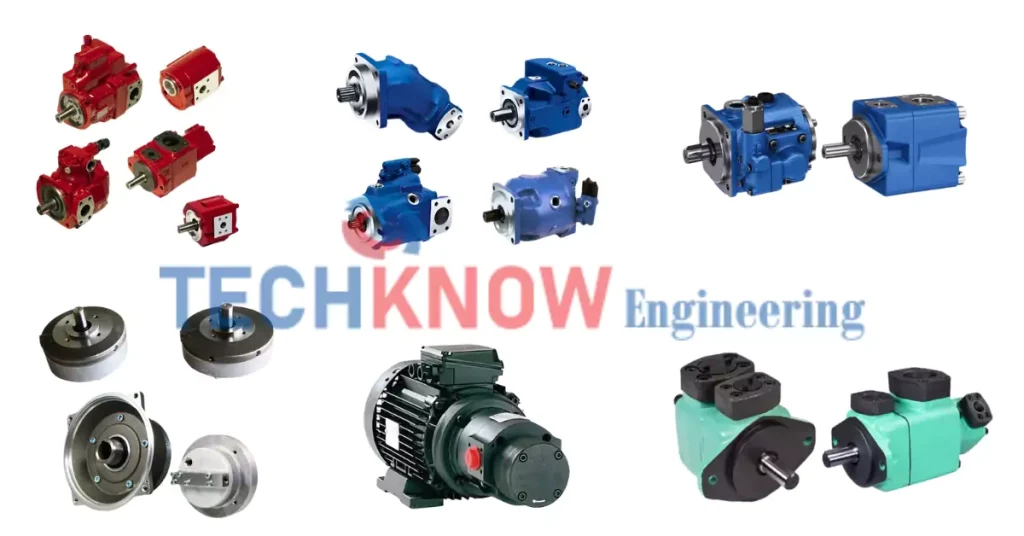

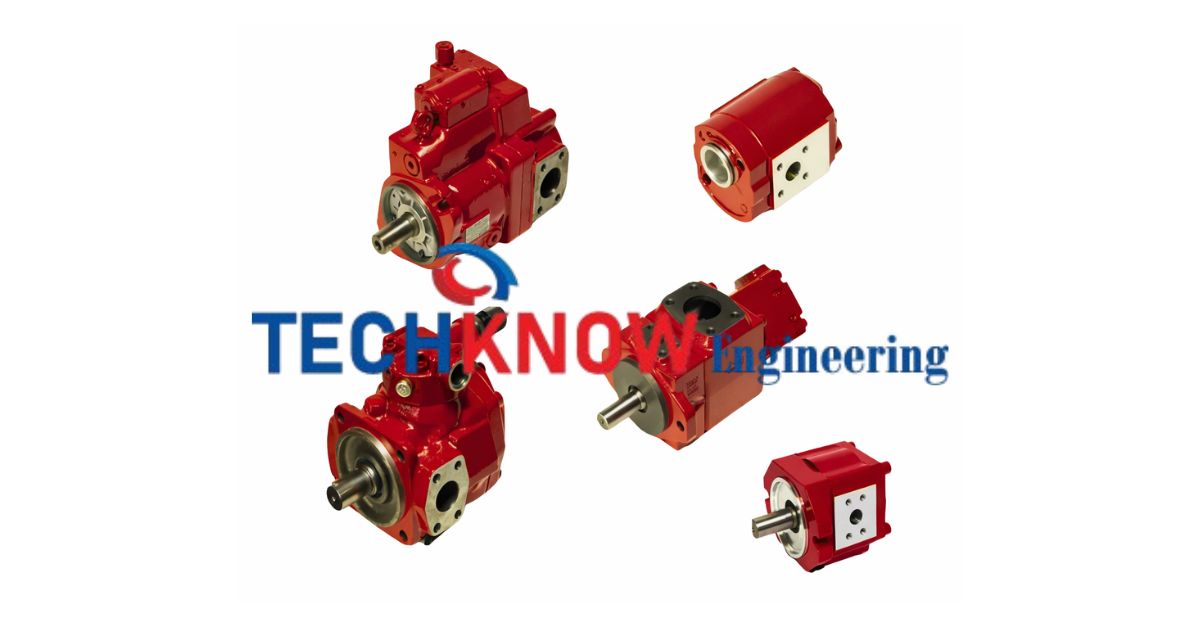
In the present industrial environment heavy machinery has become the foundation of industries like manufacturing, construction mining, agricultural, and other. From lifting huge objects to providing precise mechanical movement, today’s machinery is heavily dependent upon hydraulic system. The core of this system are Hydraulic Pump that transform the energy of mechanical forces into power from fluids that allows machines to execute complicated and challenging tasks efficiently.
Companies like Techknow Engineering Enterprise have a significant role to play in providing reliable solutions to hydraulics which help businesses maintain their effectiveness and efficiency. Without well-designed hydraulic systems numerous industrial processes of a large scale would just not be feasible.
Learning the role of Hydraulic Pumps
Hydraulic pumps are designed to circulate fluid within a system to generate energy. Instead of simply moving liquid, they create flow that builds pressure when resistance occurs, powering motors, actuators, and cylinders for smooth machine operation. Along with pumps, components like hydraulic Pumps help control fluid direction and pressure, ensuring accurate and efficient performance.
The performance of a system is largely determined by how well the pump is performing the job it is supposed to. An efficient pump will ensure consistent efficiency, enhanced energy use and a reduction in the amount of downtime.
What is the procedure for Hydraulic Pumps Function
The mechanism that works is based upon the principle of energy conversion. Mechanical energy from motors or engines is transformed into hydraulic pumps energy through the movement of fluid under pressure. After being pressurized, the liquid moves through pipelines and valves into various machine parts.
The process is comprised of various key steps:
- Removing fluid from a reservoir
- Inducing flow by means of mechanical movement
- The system is able to generate pressure.
- Transferring energy into mechanical components
- Retrieving fluids to ensure continuous circulation
Because the hydraulic fluid is incompressible, it is able to transmit enormous forces and achieve remarkable effectiveness. This makes the hydraulic technology ideal for use in heavy-duty tasks.
Different types of hydraulic pumps used in the industry
Different industrial requirements demand different pump designs. It is based on variables like efficiency, pressure requirements requirements, and operational conditions.
Each has its own advantages and the best one will greatly impact the performance of machinery as well as its longevity.
Industrial Applications and their Importance
Hydraulic systems are extensively utilized because of their strong performance and precision control. Industries depend on them for jobs that demand strength precision, reliability, and accuracy.
In particular the hydraulic technology can be used in:
- Construction equipment, such as excavators as well as cranes and
- Equipment for manufacturing, such as presses and molding machines
- Agriculture vehicles, including tractors and harvesters
- Exploration and mining
- Transportation and marine infrastructures
Its ability to create huge amounts of force by using tiny components makes hydraulics very adaptable to different types of industries.
Advantages of Hydraulic Systems
One of the major reason why industries choose hydraulic technology is the variety of advantages it can offer in comparison to mechanical systems that are purely mechanical. Hydraulic systems are able to handle large load while maintaining a the smoothness of motion, which increases safety as well as productivity.
A few notable benefits are:
- Power output that is high relative to the size
- Accurate control of the speed and direction of movement
- Reliable operation under extreme conditions
- Designing systems that are flexible
- Service life is long with the proper maintenance
These benefits contribute to increased efficiency as well as lower operating cost for business.
Maintaining Long-Term Performance for Maintenance
Regular maintenance is vital to guarantee consistent operation and ensure that equipment is not damaged by unexpected malfunctions. Even the most sophisticated hydraulic system requires regular maintenance for optimal performance.
The most important maintenance practice for types of hydraulic pumps is ensuring the fluid is in good condition, monitoring pressure levels, and inspecting parts for leaks or wear. Regular maintenance helps extend equipment life and reduces costly downtime.
Businesses such as Techknow Engineering Enterprise often recommend periodic maintenance programs that can ensure that their systems are reliable and maintain functionality over time.
Alert Signs to Identify Potential Issues
Being aware of early warning signs will help prevent catastrophic mechanical malfunctions. Operators need to be alert for abnormal system behaviour that could signal system or pump malfunctions.
Common warning indicators include:
- Vibrations, noises, or unusual sounds
- Reduction in operating speed
- Overheating components
- Leakage of liquids
- Energy consumption is rising.
Identifying the issues early can help keep the business running and avoids costly repair costs.
Picking the right Hydraulic Pump
Choosing the appropriate pump is essential to ensure maximum performance. Considerations like requirements for pressure, operating conditions as well as efficiency objectives are all to be considered prior to making a final decision.
Utilizing reputable companies such as Techknow Engineering Enterprise ensures that companies receive expert advice, aiding them in choosing solutions that are designed to meet their particular industry needs.
The future of Hydraulic Technology
The technological advancements that are revolutionizing hydraulic systems are making them more effective and eco-friendly. Innovative technologies like smart sensors, efficient designs, and green fluids will shape the future of this industry.
As industries continue to evolve, hydraulic technology will remain an integral part of heavy equipment and automation. If you want reliable hydraulic solutions or expert support, contact us to learn how we can help improve your system performance.
Hydraulic Pumps
Hydraulic pumps convert mechanical energy into hydraulic energy by moving fluid through a system. They generate the flow needed to power machinery in industries like construction, manufacturing, and agriculture, ensuring efficient force and motion control.
Product Brand: Techknow Engineering Enterprise
Product Currency: INR
Product In-Stock: InStock
5